Real-World Asset Tokenization in 2027: Finance’s Next Shift
Real-World Asset Tokenization turns rights to physical or financial assets into digital tokens recorded on a blockchain. For you, the important distinction is what those tokens legally entitle you to: ownership, a financial claim, or exposure to an asset’s value.

In 2027, tokenization’s impact will depend on how well legal rights, asset records, and blockchain systems work together. A token can make a financial interest easier to transfer or divide, while investor protections and access still depend on the arrangement behind it.
What Does a Tokenized Asset Represent?
A tokenized asset represents a defined right or claim connected to an asset, with the precise meaning set by its legal structure. When you assess one, identify what the token gives you and which records establish that right.
The Token vs. the Underlying Asset
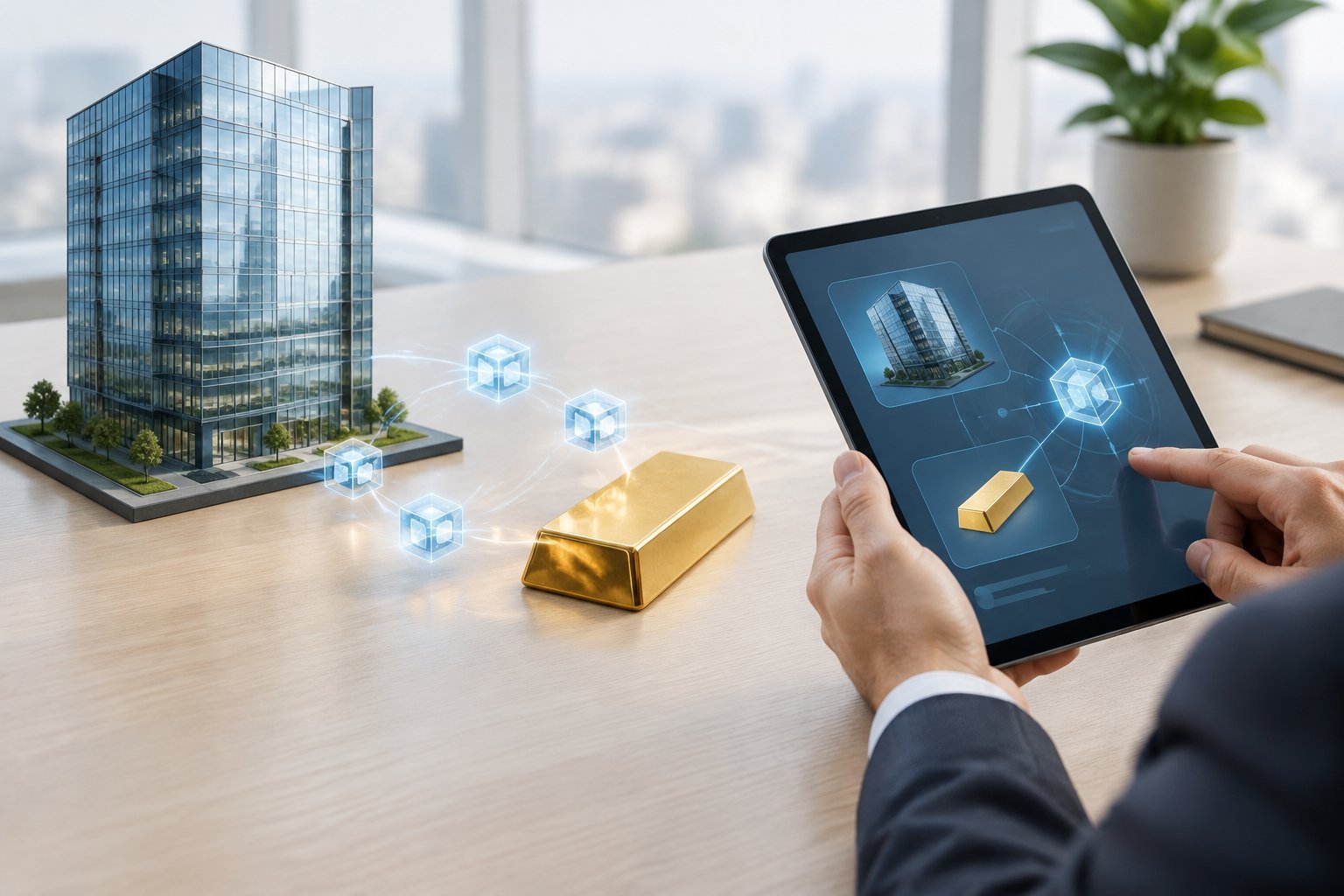
The token is a digital record; the underlying asset is the property, security, or other economic interest that gives the arrangement its value. A token might represent a share in an asset-holding company, a contractual claim to payments, or a digital record of direct ownership.
You should check the offering documents to see which arrangement applies. A token can convey ownership or track an asset’s price without transferring title to the asset itself, as the distinction between ownership and price exposure makes clear. That difference affects your rights to income, voting, redemption, and legal recourse.
On-Chain Records and Legal Ownership
A blockchain records token balances and transactions, while legal documents determine what those records mean outside the network. You may need to rely on a deed, securities register, trust agreement, or issuer’s records to establish your claim.
The issuer and its legal structure should explain how token ownership connects to the underlying asset and what happens if records conflict. Before investing, review the rights attached to your token, the entity responsible for honoring them, and the process for resolving disputes.
Which Assets Are Gaining On-Chain Traction?
Tokenization is being applied to financial products and physical property where digital records, fractional interests, or automated transfers may offer practical value. You will see different structures across asset classes because each asset brings its own rules for valuation, custody, and transfer.
Treasuries and Money Market Funds
Tokenized Treasury products and money market fund interests can give you blockchain-based access to assets that generate income from traditional financial markets. The token represents a claim defined by the issuer’s documents; it does not turn the underlying Treasury security or fund into a permissionless asset.
You should confirm how income is calculated and distributed, who holds the underlying securities, and whether redemptions follow the fund’s normal terms. Transfer eligibility can also be limited to approved investors or wallets.
Tokenized Equities and Private Shares
Tokenized equities can provide a digital representation of a public stock or a claim connected to shares. Some offerings are structured as derivatives, so you need to distinguish economic exposure from direct shareholder rights, such as voting or receiving dividends from the company.
Private shares add further restrictions because transfers may depend on issuer consent, securities rules, and the company’s shareholder agreements. Check whether the token gives you an interest in the company itself or a contractual interest issued by another entity.
Real Estate, Commodities, and Collectibles
Real estate tokens can represent fractional interests in a property, a holding company, or income tied to a building. For you, the key checks include the ownership structure, property valuation, management costs, and the terms for selling or redeeming your interest.
Commodities such as gold can be represented by tokens linked to stored inventory or a contractual claim. Collectibles, including art, can also be tokenized, though ownership of a token does not automatically give you physical possession or intellectual-property rights. Confirm who controls the asset, how its value is assessed, and what steps let you claim or transfer it.
How Does an Asset Become a Blockchain Token?
An asset becomes a blockchain token through a legal arrangement that defines investor rights, an issuance process that records those rights digitally, and systems that support custody and transfers. You should evaluate the complete chain from asset documentation to redemption.
Legal Rights and Asset Structuring
The issuer first defines what investors receive. Depending on the asset and offering, that can involve direct ownership, a security issued by a special-purpose entity, or a contractual claim linked to asset performance.
The governing documents should explain how the asset is held, who can make decisions, and how income or sale proceeds reach token holders. In the United States, securities and other financial regulations can shape who may invest and how tokens can be offered or transferred. You should read the offering materials and seek qualified legal or financial advice when the rights are unclear.
Issuance, Custody, and Smart Contracts
Once the legal arrangement is in place, the issuer or its service provider creates tokens on a blockchain and links them to the relevant investor records. A smart contract can set rules for issuance, transfers, and other actions, while a custodian may hold the underlying assets or related documents.
You should identify which party controls each function. A well-designed token contract cannot by itself verify that an asset exists, remains properly held, or has the valuation stated by the issuer. Those checks rely on off-chain records and accountable service providers.
The Roles of Platforms, Networks, and Data Providers
The blockchain records token activity, while platforms help issuers create and administer offerings, and data providers connect on-chain systems with information from outside the network. These components serve different purposes, so you should learn which parties maintain records, verify asset information, and enforce transfer restrictions.
A shared ledger can support programmable asset transfers and a common system of record. You still need clear procedures for correcting errors, updating external records, and handling changes to the underlying asset.
Investor Access, Transfers, and Redemption
The issuer sets the eligibility and transfer rules for the offering. You may need identity checks, an approved account, or permission to receive tokens, especially when the product is subject to securities restrictions.
Transferability depends on both the token’s code and the offering’s legal terms. Redemption may require a sale of the underlying asset, a cash payment under specified conditions, or another procedure described in the documents. Before buying, check how you can exit and which party is responsible for processing that transaction.
How Could Tokenization Change Traditional Finance?
Tokenization could change traditional finance by making certain ownership records easier to manage, enabling more automated transfers, and connecting eligible assets with digital markets. The effects you experience will depend on the asset’s legal terms and the systems that support it.
Fractional Access and Broader Distribution
Tokenization can divide an interest into smaller units, allowing you to invest in a portion of an asset instead of purchasing the whole interest. That structure may lower the amount needed for entry, though the issuer can still set minimum investments and eligibility requirements.
Digital distribution can also extend access to investors across more channels. Your practical access remains subject to offering rules, investor protections, and the availability of platforms that serve your jurisdiction.
Faster Settlement and Programmable Markets
A tokenized transaction can combine trade instructions, ownership updates, and payment conditions within a shared system. This design can support simultaneous execution of trades, ownership transfers, and payments, reducing the time those steps take when all parties and systems are connected.
Smart contracts can also automate defined actions, such as applying eligibility rules or distributing payments. You should treat automation as a way to carry out programmed instructions; it does not eliminate the need for accurate records, legal enforcement, or operational oversight.
DeFi Integration and Potential Liquidity
Some tokenized assets can connect with decentralized finance applications, where eligible users may trade or use tokens in other financial transactions. This creates potential routes to liquidity, though a functioning blockchain market does not guarantee that buyers will be available.
Permissioned markets can restrict access to verified participants, while legal transfer rules may limit which wallets can hold a token. You should examine market depth, trading conditions, and redemption terms before treating a token as easy to sell.
What Could Slow Adoption?
Adoption could slow when legal rights are difficult to enforce, investor access remains restricted, or asset and technology risks are hard to assess. You should evaluate each token against the protections and processes that apply to its specific structure.
Regulation and Enforceable Ownership Rights
Tokenization does not remove the legal requirements that apply to the underlying asset or investment. In the United States, an offering’s structure can determine which securities rules apply, who may buy, and how the token can be resold.
You should look for documents that connect token ownership to enforceable rights and identify the entity responsible for honoring them. If an issuer, custodian, or asset-holding entity fails, the legal route to recover value may depend on those documents and the relevant jurisdiction.
Permissioned Access and Limited Liquidity
Investor checks and transfer controls can protect an offering’s compliance, yet they also narrow the pool of potential buyers. A token that trades on a blockchain may still have few approved participants or limited trading activity.
Before investing, review who can hold the token, which venues support it, and whether transfers require issuer approval. Redemption terms provide another route to exit, though they may include conditions or schedules that differ from open-market trading.
Valuation, Custody, and Technology Risks
You need reliable valuations for assets that do not trade continuously, such as private shares, property, or collectibles. Review who sets the price, how often it is updated, and what information supports it.
Custody arrangements should identify who holds the asset and how it is protected. Smart-contract errors, compromised accounts, and inaccurate external data can also disrupt token activity or create disputes, so check the issuer’s controls and incident procedures.
Finance Is Likely to Move On-Chain One Asset at a Time
Tokenization can make asset records and transfers more programmable, while the underlying legal rights and investor protections still shape what you own. For you, a sound assessment starts with the offering documents, the custody arrangement, and the terms for transfer or redemption.