The Future of Crypto Wallets: Security and Trends in 2027
The Future of Crypto Wallets in 2027 points toward stronger transaction controls, more flexible recovery, and easier access to blockchain apps, while keeping clear custody choices at the center.

Your wallet choice shapes how you authorize transactions, recover access, and protect your crypto from scams. As wallet software adds new conveniences, you still need to know who controls your keys and what each approval allows.
For 2027, focus on a wallet’s security design and recovery process, then match its features to how you use your assets. A convenient interface helps only when you can check transactions and keep recovery credentials safe.
How Do Crypto Wallets Protect Access to Your Assets?
Crypto wallets protect your assets by managing the keys that authorize blockchain transactions. Your public information helps identify where assets can be sent, while your private key or signing method proves that you have authority to move them.
How Private and Public Keys Work
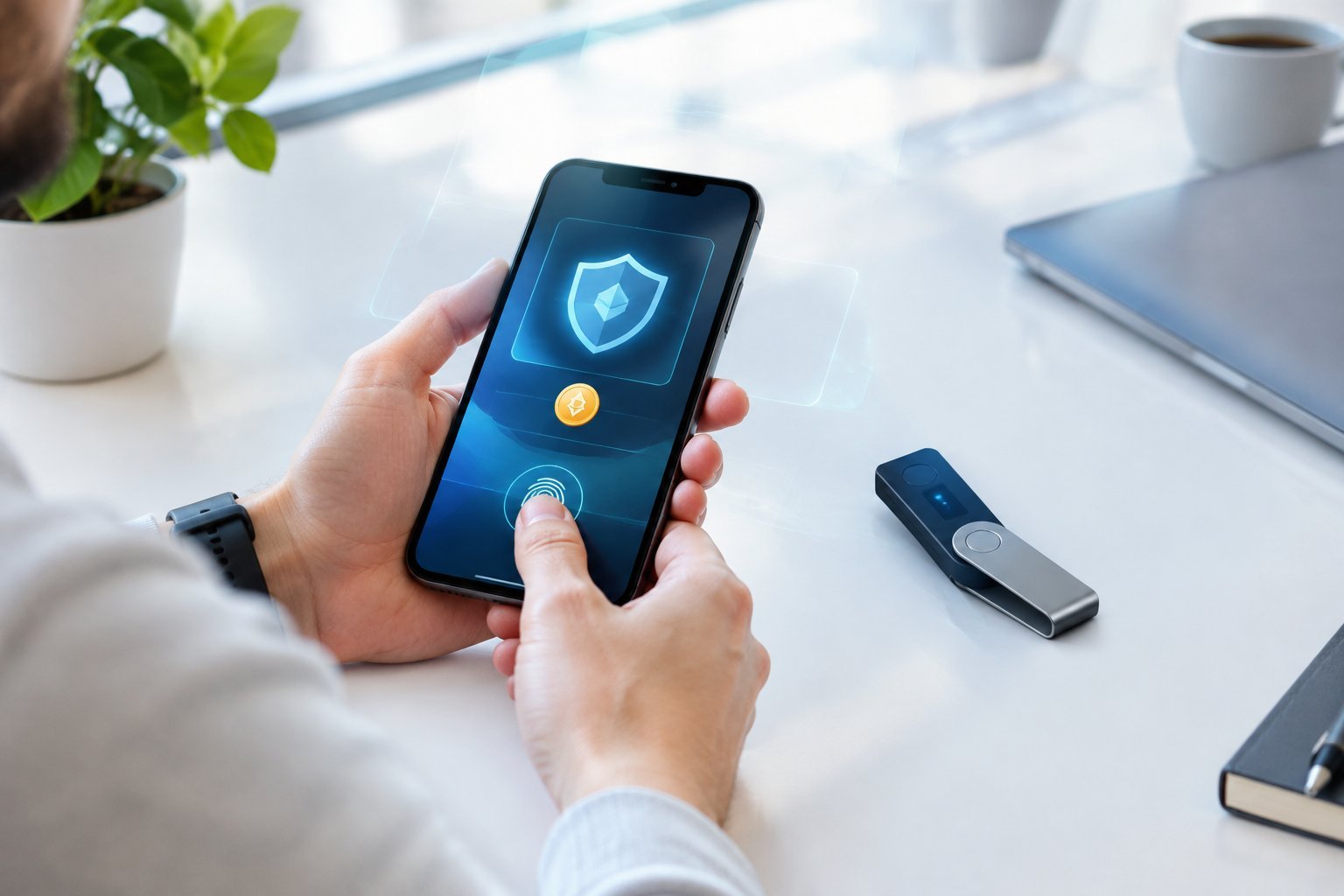
Your private key authorizes transactions, and your public address lets others send assets to you. A wallet uses the private key to create a digital signature; the blockchain network checks that signature before processing a transaction. Keep the private key confidential, since anyone who gains control of it may be able to authorize transfers.
Your wallet provides tools to send and receive assets and sign in to apps. Before you approve a transaction, check the recipient address, network, and requested permissions. A familiar-looking token name or app screen does not prove that the destination or request is legitimate.
Why Wallets Do Not Actually Store Cryptocurrency
Your assets are recorded on a blockchain, while your wallet manages the credentials and software you use to access them. The wallet’s interface displays balances and prepares transactions; the network records transfers and verifies signatures.
This distinction affects how you plan for loss or damage. Replacing a phone or hardware device does not automatically remove your blockchain assets, but you need a valid recovery method to restore access to the keys or account that controls them.
Why Do Self-Custody and Recovery Design Matter?
Self-custody gives you direct control over transaction authorization, while recovery design determines how you regain access after a device or credential is lost. You should know who can approve a transfer and what steps restore your wallet before moving significant assets into it.
Custodial vs. Non-Custodial Wallets
With a custodial wallet, a company manages the private keys and processes access on your behalf. With a non-custodial wallet, you control the signing credentials and approve transactions yourself. A custodial and non-custodial wallet therefore assigns responsibility for access and recovery in different ways.
A custodian may offer account support or account-level recovery, subject to its policies and operations. Self-custody limits a provider’s role in your access, while placing the backup and security work in your hands. Before choosing either model, check how withdrawals are authorized and what happens if you lose access to the app or device.
Seed Phrases, Passkeys, and Account Recovery
A seed phrase can restore a wallet’s keys, so anyone who obtains it may gain control of the assets it protects. Store it offline in a private, durable location, and never enter it into a website or share it with someone claiming to provide support. Your backup should remain accessible to you while protected from theft, damage, and casual discovery.
Passkeys can make sign-in easier by using device-based authentication, while smart-account designs can support recovery rules that differ from a seed phrase. These approaches vary by wallet, so verify whether a passkey is the signing credential, an account login, or one part of a broader recovery setup. Test the recovery process with a small amount before relying on it for assets you cannot afford to lose.
The Trade-Off Between Control and Convenience
You gain direct authority with self-custody, alongside direct responsibility for backups and transaction approvals. Custodial services reduce some of that operational burden by managing keys, while placing access within the provider’s systems and policies.
Choose the arrangement that fits your ability to protect credentials and follow recovery procedures. If you use self-custody, write down the recovery steps and confirm you can complete them. If you use a custodian, review its account security, withdrawal controls, and recovery requirements.
Which Security Threats Will Shape Wallets in 2027?
Your most immediate wallet risks come from deception, compromised devices, and approvals that grant more access than you intend. Quantum computing deserves long-term planning, while everyday protection still depends on checking what you sign and safeguarding your credentials.
Phishing, Malware, and Risky Transaction Approvals
Phishing attempts can imitate wallet providers, exchanges, or familiar apps to trick you into revealing a recovery phrase or approving a transfer. Malware can alter copied addresses or capture credentials on a compromised device. Treat unexpected links and urgent support requests as warning signs, and access wallet services through verified apps or saved addresses.
Read the transaction details before signing. Check the destination, amount, network, and any token permissions, and avoid broad approvals when a narrower allowance will work. For larger transfers, send a small test transaction first and confirm it reaches the intended address.
Quantum Computing: A Long-Term Risk, Not an Immediate Wallet Break
Quantum computing is a long-term cryptographic risk, not a reason to assume that your wallet is currently exposed to a quantum attack. Future quantum capabilities could challenge some cryptographic systems used to secure wallets, and Europol warns that preparation for those threats should begin early.
For your 2027 decisions, distinguish a credible migration plan from claims that a wallet is already quantum-proof. Ask how a provider would communicate upgrades, preserve access during a cryptographic transition, and help you move assets if a network changes its security rules.
How Wallets Can Prepare for Post-Quantum Cryptography
Wallet developers can prepare by designing upgrade paths for cryptographic algorithms and communicating how users would migrate keys or accounts. A transition also involves blockchain protocols, signing software, and the applications that rely on them, so a wallet’s readiness depends on the wider network.
You can reduce future disruption by keeping your wallet software current and following official security notices for the wallet and networks you use. Avoid moving funds in response to unverified claims or unsolicited messages; confirm upgrade instructions through the provider’s verified channels.
What New Wallet Technologies Are Emerging?
New wallet designs are moving toward programmable accounts, assisted transaction workflows, and broader access to blockchain services. These features can simplify routine actions, while requiring you to keep control over permissions and signing.
Smart Accounts and Keyless Signing
Smart accounts use programmable rules to change how you authorize transactions and manage recovery. Depending on the design, you may get options such as transaction limits, account recovery policies, or bundled actions. The exact protections depend on the wallet’s implementation and the smart contracts behind it.
Keyless signing approaches, including multiparty computation, split signing authority across multiple components or parties. This can reduce reliance on a single exposed key, though the recovery and trust model still deserves close review. Check who controls each component, how a lost device is replaced, and whether you can independently verify transaction details.
AI Agents and Automated Transactions
AI agents could help you carry out routine wallet tasks, such as organizing transactions or interacting with supported apps. Their usefulness depends on the limits you set and the visibility you retain into each action.
Give any automated system narrowly scoped permissions, spending limits, and a clear approval process. Review the destination and terms before authorizing a transaction, especially when an agent interacts with a decentralized finance app or token contract. Keep high-value assets in an account that requires your deliberate approval.
Cross-Chain Access and Integrated Web3 Services
Cross-chain wallets can bring assets and app access across multiple blockchain networks into one interface. Integrated swaps, staking, and other Web3 services can reduce the steps you take between apps, while leaving you responsible for checking the selected network and transaction terms.
Confirm that a token and destination belong to the network you intend to use. Cross-chain transfers can involve bridges or other protocols, each with its own technical and operational risks. Review fees, approvals, and the route shown in your wallet before you proceed.
How Should You Choose a Wallet for 2027?
Choose a wallet by matching its custody model, recovery options, and transaction safeguards to your assets and habits. You should be able to explain how to approve a transfer and how to restore access before you use the wallet for meaningful funds.
When to Use a Hot Wallet or Hardware Wallet
A hot wallet stays connected to an internet-enabled device, making it practical for frequent transactions and app interactions. A hardware wallet keeps signing keys in a dedicated device, which can reduce exposure to online threats when you use and store it carefully. Your transaction habits and security needs should guide where you keep funds.
You can use a hot wallet for routine activity and keep longer-term holdings in a hardware wallet, provided you can manage the separate backups and transfer steps. For either option, secure your devices and recovery credentials. Offline storage, encryption, and multisignature protection can strengthen a wallet security plan when they fit your setup.
Security Features and Backup Options to Check
Before choosing a wallet, check how it displays transaction details, handles recovery, and protects access to signing credentials. Look for clear transaction previews, secure authentication, and a recovery method you can safely maintain. If the wallet supports spending limits or multiple approvals, learn how to configure and recover those controls.
Check that you can verify the wallet software and device setup through the provider’s official channels. Keep recovery information offline, and confirm that you can restore access without exposing your seed phrase to a website or support agent. A backup you have never tested leaves an important part of your security plan uncertain.
Matching Wallets to Your Assets and Habits
Start with the networks and assets you plan to use, then confirm that the wallet supports the relevant tokens and apps. A wallet designed around one ecosystem may suit focused use; a multichain wallet may fit you better when you regularly transact across networks.
Consider how often you transact, where you access your wallet, and whether you can follow its backup routine. If you hold assets across different networks, verify the exact network before sending funds and test a new wallet with a small transfer. The right setup is one you can operate securely and recover when needed.
Wallets Will Need to Make Secure Control Easier
For 2027, the strongest wallet direction combines safer approvals, practical recovery, and clear custody choices. New features such as smart accounts and automated transactions can improve access when you remain able to review and limit what they do.
Choose a wallet whose security model you understand, verify its recovery process, and use a hardware wallet when you need a separate signing device for longer-term holdings. Keep routine transactions within clear limits, and check every approval before you sign.